Learn
[02]Deduction across clues, missing pieces, and rules that change shape.
Logic on Two5 is a short puzzle with a definite answer: spot the clue, make the connection, and check the step you want to skip. The useful research claim is about reasoning procedures, not a faster mind in the abstract.
- Practice
- Deduce, connect, reason, adapt
- Mechanism
- Rule following, belief-bias checks, working-memory updates
- Evidence
- Evans; Stanovich and West; Simons and colleagues on limits
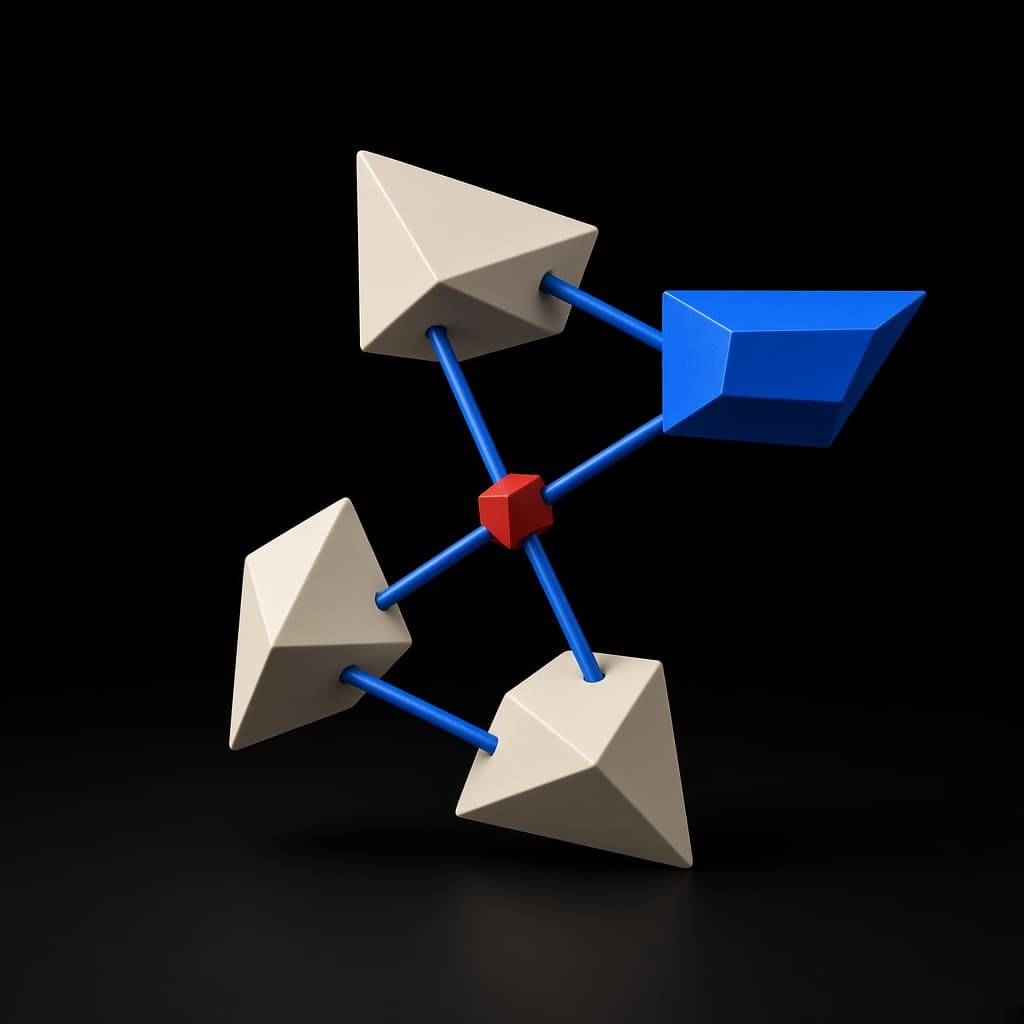
Deduce
What changes with practice
Speed
A familiar logical form is recognised sooner, so time goes to the odd clue instead of the whole puzzle.
Control
Good logic work is the habit of testing the answer you already like.
Continuity
Adaptation is the same rules on a new surface. That only sticks if the next problem arrives.
Reasoning has a fast path and a careful one
Dual-process accounts of reasoning separate a quick, associative response from a slower check that applies the rule even when the quick answer feels right. Individual differences in that check show up on classic reasoning tasks: people who do well are often the ones who notice when belief and logic disagree.[Evans 2008][Stanovich 2000]
A short puzzle is a place to practice the check. The problem is small enough that you can still see which premise you ignored. That is different from a vague request to “think harder.”
Near transfer is the honest target
Practicing deduction should make similar deductions more fluent: missing pieces, ordering constraints, and rules that look new but are not. That is near transfer. It is the claim Two5 is willing to make for Logic.
None of this is a claim that a puzzle app raises IQ. A review of commercial brain-training programs found little convincing evidence that practicing one task reliably lifts unrelated abilities.[Simons 2016]
How the arena is shaped
Logic problems on Two5 stay short on purpose. Deduce, then connect, then adapt when the surface changes and the rule does not. The score is a record of that rep. It is not a diagnosis of how logical a person is.
References
- Evans, J. St. B. T. (2008). Dual-processing accounts of reasoning, judgment, and social cognition. Annual Review of Psychology, 59, 255–278. doi.org/10.1146/annurev.psych.59.103006.093629
- Stanovich, K. E., & West, R. F. (2000). Individual differences in reasoning: Implications for the rationality debate?. Behavioral and Brain Sciences, 23(5), 645–665. doi.org/10.1017/S0140525X00003435
- Simons, D. J., Boot, W. R., Charness, N., Gathercole, S. E., Chabris, C. F., Hambrick, D. Z., & Stine-Morrow, E. A. L. (2016). Do “brain-training” programs work?. Psychological Science in the Public Interest, 17(3), 103–186. doi.org/10.1177/1529100616661983